


OnlyFans pricing is not random. Paid base rates run from a $4.99 minimum to a $49.99 maximum, and within that corridor, price works as a rough proxy for creator experience. BestOnlyFans tracks these tiers, but you can read the same signals yourself. A newer creator posting three times a week at $5 does not occupy the same tier as a three-year veteran posting daily at $12, even though both sit in the low band.
Price alone never proves quality. Once you know where the boundaries sit and how creators migrate between them, subscription decisions get much faster. BestOnlyFans refreshes its rankings every month.

Platform Pricing Architecture and Its Boundaries
A creator can set a recurring monthly price anywhere from $4.99 to $49.99. No paid tier exists below $4.99. Pages that appear free are not discounted paid pages; they are set to $0 and earn through pay-per-view messages and tips instead.
Two exceptions matter. Promotional first-month pricing can legally dip below $4.99 — a $3 first month is a standard acquisition tactic. The base rate that renews afterward must still respect the $4.99 floor. When a creator raises the price, auto-renew stops, and existing subscribers keep access until their paid period ends at the old rate.
| Price Type | Amount Range | Platform Rules |
|---|---|---|
| Paid base subscription | $4.99 – $49.99 | Minimum and maximum enforced at setup; changing the base price stops auto-renew for current subscribers |
| Promotional first month | Can go below $4.99 (e.g. $3) | Applies to the first billing cycle only; renewal reverts to the base rate |
| Free page | $0 | No subscription revenue; earnings come from PPV messages and tips |
| PPV message unlock | Up to $50 | One-time purchase per message; not part of the subscription |
| Tip | Can reach $100 | Voluntary; platform fee applies to every transaction |
The platform takes a flat 20% of everything, so the creator keeps 80% of each subscription, PPV unlock, and tip. That fee structure matters when evaluating pricing: a $5 page nets the creator about $4, which shapes how much content they can justify producing at that rate.
Price Clusters and What They Signal
The typical paid range is $4.99-$15, and averages sit around $5-$10. The upper half of the range is comparatively rare and usually reflects either long tenure or a deliberate scarcity strategy.

Band one, $4.99-$7.99: the entry tier. These pages are often under a year old, post a few times a week, and use the low price to build a subscriber base. Value can be genuine here, but archive depth is usually thin.
Band two, $8.00-$12.99: the working middle. Creators in this band typically have a consistent posting rhythm, a media library deep enough to browse for weeks, and at least some custom content or live sessions.
Band three, $13.00-$49.99: the premium tier. These pages usually come with years of history, high upload velocity, frequent live streams, and direct messaging availability.
- Posting frequency: entry pages post a few times weekly; premium pages often post daily or more.
- Media count thresholds: the middle band generally offers hundreds of items; the top band offers thousands.
- Custom availability: rare in band one, common in band two, usually open in band three.
- Live stream frequency: occasional at lower tiers, scheduled and routine at higher ones.
- Tip menu depth: a longer menu of paid extras tends to appear alongside higher base prices.
Treat the cluster as a hypothesis, then verify it against the page itself.
Reading Creator Maturity From Pricing Patterns
Understanding the stages helps you predict where a page is heading and whether the current rate is likely to hold.
- Launch discounting: a low promotional first month to convert early subscribers quickly.
- Base rate establishment: the renewal price settles, often between $4.99 and $9.99.
- Premium tier testing: a creator with a stable audience raises the base rate into the middle or top band.
- Legacy pricing maintenance: long-tenured creators hold a rate because the archive itself justifies it.
Newcomers make two opposite mistakes. Some undercut to the floor and burn out because the revenue cannot support daily output.
Established creators, by contrast, price strategically. When they move, they move into a new band and accept a subscriber dip, betting the archive and posting consistency will recover it. That behavior is a useful maturity signal.
Tip: before subscribing at $15 or more, sort the page’s media by oldest and confirm the archive actually extends back a year or further. A premium price with a two-month archive is a mismatch, not a bargain.
How BestOnlyFans Validates Price-to-Value Ratios
The stronger ones do not rank on price alone; they cross-reference price history against output and engagement to estimate whether a subscription is fairly priced.

| Metric Category | Data Source | Value Indicator |
|---|---|---|
| Price history | Tracked base-rate changes over time | Stable or stepwise increases suggest deliberate positioning; constant oscillation suggests instability |
| Media upload velocity | New posts per week | Consistent output at a steady price signals reliable value |
| Subscriber retention estimates | Renewal patterns where observable | High retention at a premium price suggests subscribers see returns |
| Engagement rate | Likes and comments per post | Steady engagement relative to subscriber count indicates an active audience |
| Response time benchmarks | Observed messaging behavior | Faster responses at higher tiers justify part of the premium |
Matching Tier Levels to Subscriber Budgets
Budget discipline matters more than finding the single best page, because subscription costs stack. Five $10 subscriptions cost $50 monthly, which is more than most people intend to spend.
- Casual browser ($5 ceiling): one entry-tier subscription, no PPV budget.
- Selective follower ($10 ceiling): one middle-band page or two entry-tier pages.
- Dedicated fan ($15 ceiling): one premium-tier page, occasional PPV unlocks.
- Niche enthusiast ($25 ceiling): one high-tier page plus a small PPV allowance.
- Portfolio subscriber ($40 total): several pages across bands, reviewed monthly for value.
Paid chat is a separate line item and commonly runs $3-$5 per message, so heavy direct-messaging users should set a chat budget apart from the subscription ceiling. PPV unlocks can reach $50 each; without a cap, a single enthusiastic evening can exceed a month of subscriptions.
A tier framework keeps the total predictable and makes it easier to drop a page that stops delivering.
Red Flags in Pricing That Suggest Poor Value
Some pricing behavior reliably predicts disappointment. None of these signals is proof on its own, but each is worth weighing before renewal.
- Prices raised without any corresponding content expansion.
- Permanent limited-time discounts that never actually end.
- Pricing above comparable creators with half the output.
- Frequent price oscillation between bands month to month.
- A low base price combined with heavy PPV gating on most posts.
- Pages dormant for 30 or more days while still charging the full rate.

If the newest post is weeks old and the subscription still bills at full price, the value equation has already broken.
When Premium Pricing Justifies the Cost
A $20+ subscription is not automatically overpriced. The clearest case is a large, well-organized archive: thousands of media items, sorted and searchable, represent a substantial body of work you can consume over months rather than days.

Direct access is the second justification. If a creator answers messages personally and opens custom requests, part of the premium pays for interaction rather than media volume. Frequent live streams are the third: scheduled sessions create recurring value that a static archive cannot match.
Run the arithmetic before committing. The rate is rational only if you consume enough content and interaction to make it feel small. If you check the page twice a month, a $7 entry-tier subscription from a consistent poster will likely serve you better.
Long-Term Budget Planning Across Tier Changes
A subscription budget built once and never revisited will drift out of alignment with what you actually use. Four response protocols cover most situations.
- Evaluate access duration remaining: after a price increase, confirm how much paid time you still hold at the old rate.
- Audit content consumed versus remaining: if you have viewed most of the archive, the renewal case weakens.
- Compare replacement pages at the original price point: the band you left still has active creators.
- Document cancellation timing: cancel before renewal to avoid gap periods you did not intend to pay for.

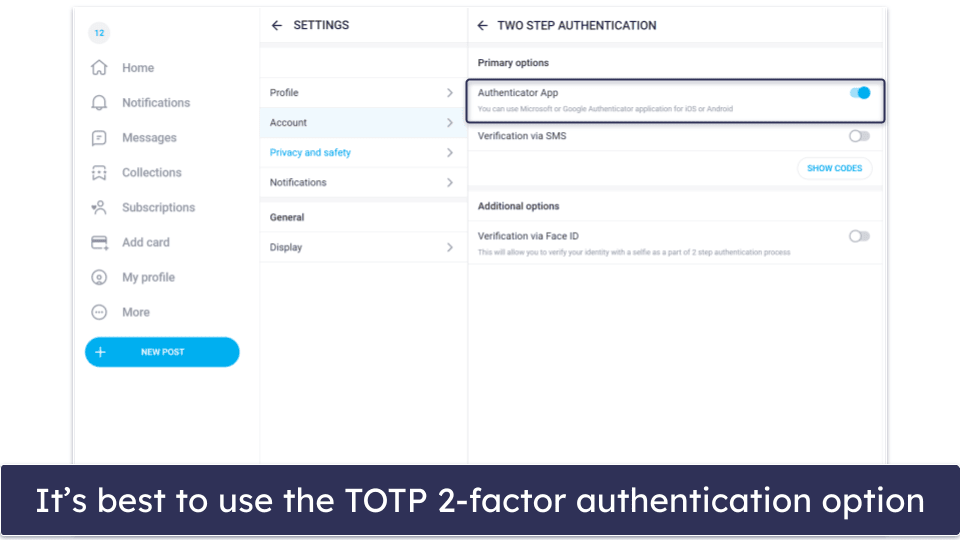
If you maintain several subscriptions, enable two-step authentication on your account and keep payment methods current. A declined renewal because of an expired card can silently end access to a page you intended to keep. A quarterly review is enough; pages that no longer clear the value bar get cancelled, and the freed budget goes to a page that does.
If a billing question arises during any of this, the platform help centre remains the authoritative source for renewal timing and payment method issues. Card verification holds are a common example: the $0.10 hold is refunded within days, and understanding that prevents confusion at checkout.
Reading price as a signal takes practice, but the pattern becomes obvious once you compare bands side by side. A price tells you what tier the creator believes they occupy; the archive and posting rhythm tell you whether that claim holds up. Use the best onlyfans search results as a starting point, then verify against the page itself.
FAQ
Can a creator charge less than $4.99 for ongoing subscriptions?
No. The paid base rate floor is $4.99, and the platform enforces it. Promotional first-month pricing can dip below that figure — a $3 first month is common — but the rate that renews afterward must return to $4.99 or higher. Pages showing $0 are free pages, not discounted paid ones, and they earn through PPV messages and tips instead of subscriptions.
Why do similar creators price so differently?
A creator one year in with a few hundred posts and a creator five years in with thousands of items are not offering the same product, even if their niches overlap. Posting frequency, live stream schedules, custom availability, and response time all widen the difference further.
How do I know if a $20 subscription is worth trying?
Check three things before subscribing. Confirm the archive extends back a year or more; a premium rate over a thin archive rarely holds up. Check live stream frequency, because scheduled sessions add recurring value that a static library cannot match.
What happens to my billing if a creator lowers their price?
The drop takes effect without you taking any action, and you keep uninterrupted access. The opposite direction works differently: when a creator raises the base price, auto-renew turns off automatically, and your existing access continues until the paid period you already purchased ends.