


OnlyFans subscription prices are not fixed numbers, and a single snapshot of a creator’s page tells you little about what you will pay over time. Ranking cards solve part of that problem by displaying price histories, and reading those histories is the core skill this article teaches. BestOnlyFans cards surface timestamps, change frequency and promotional cycles that most subscribers never examine before paying. BestOnlyFans refreshes its rankings every month.
If you understand how a creator’s price moved across the last six to twelve months, you can anticipate increases, time your entry around promotional months, and avoid renewing into a rate you did not expect. That is a data literacy exercise, and it takes about ten minutes per creator once you know what to look for. The BestOnlyFans method stays consistent across updates.

What Price History Data Reveals on Ranking Cards
It shows when that cost last changed, what it was before, and how often the creator has adjusted it. Those three facts alone separate a page that has held steady for a year from one that has shifted four times in six months.
The underlying platform rules matter here. Paid subscriptions run from $4.99 at the minimum to $49.99 at the maximum, and most paid pages sit between $4.99 and $15 with averages clustering around $5 to $10.
Five elements are worth extracting from any card before you subscribe:
- Current listed price, which is the number you will be charged at checkout.
- Date of the last price change, which indicates how fresh the current rate is.
- Historical price points across the previous six to twelve months.
- Promotional discount frequency, including first-month offers below the base rate.
- Price change magnitude, expressed as a percentage so you can compare creators of different sizes.
Magnitude deserves special attention. A move from $4.99 to $6.99 is a 40% increase in real terms, even though the dollar figure looks small. Cards that express changes as percentages make that visible.
Stability Signals and Creator Commitment
The creator has found a rate that works, is not chasing revenue spikes, and is unlikely to surprise existing subscribers. That predictability has value if you are planning a multi-month budget across several pages.
Frequent adjustments suggest something different. A creator experimenting with price may be testing elasticity, responding to a drop in subscriber numbers, or reacting to a change in how much time they can commit to the page.
Three broad categories cover most of what you will see:
- Fixed pricing held for six months or longer, which points to an established and deliberate strategy.
- Seasonal promotional cycling, where discounts appear on a recognisable schedule tied to planned marketing.
- Erratic changes with no clear pattern, which usually indicates reactive pricing behaviour.

The ranking methodology weighs stability alongside raw popularity, which is why a page with modest subscriber numbers but a flat price line can rank above a larger page with a volatile history.
Timing Subscriptions Around Promotional Patterns
Promotional first months are the one place where a price can legally sit below $4.99. A creator running a $3 first month is not violating anything, because the base rate stays at or above the minimum.
What you are looking for is repetition. A creator who ran a first-month discount in March and again in June is more likely to run one in September than a creator who has never discounted at all.
| Pattern Type | Typical Frequency | Subscriber Timing Strategy |
|---|---|---|
| Rare one-time first-month discount | Once, often at launch | Subscribe only if the full base rate is acceptable |
| Recurring quarterly promotion | Every three months | Wait for the promotional window, then decide on continuing |
| Anniversary or milestone sale | Once or twice a year | Track the date from the history and plan a one-month entry |
One caution applies to all three. A discount month is a trial, not a permanent rate, and the renewal that follows will charge the standard base price.
Tip: before subscribing during a promotional month, check whether the card shows the standard base rate alongside the discount. If it is not visible, set a calendar reminder for day 25 so you can review before renewal.
Correlating Price Changes with Auto-Renewal Mechanics
This is where price history stops being trivia and starts affecting your bank balance. Your access continues until the paid period you already bought runs out, and then it stops unless you manually resubscribe at the new rate.
That sequence explains a pattern you will see in ranking data: a price increase followed by a visible subscriber dip. It is partly the mechanical result of renewals not processing automatically after the change.
- The creator updates the subscription price, and the change is logged with a date.
- Auto-renewal is disabled for everyone already subscribed at the old rate.
- Existing subscribers keep access until the end of the period they already paid for.
- New subscribers are charged the updated rate immediately at checkout.
- Previous subscribers must manually resubscribe if they want to continue.
A recent increase means you are entering at the highest rate the page has ever charged. It also means the creator’s existing base has already absorbed the shock.

If you want a practical tool for archiving media you have already paid for before a renewal decision, the best onlyfans video downloader app is worth bookmarking. Keeping your own copies means a cancelled renewal does not cost you access to content you already purchased.
Budget Planning Using Historical Volatility Metrics
Once you have price histories for a handful of creators, you can sort them into tiers and allocate money deliberately rather than reactively. The framework below assumes a fixed monthly subscription budget.
- Allocate 50% of the budget to pages with historically stable pricing.
- Allocate 25% to seasonal promoters whose discount cycles are predictable.
- Allocate 15% to new creators who do not yet have enough history to judge.
- Hold 10% in reserve for emerging pages offering promotional entry rates.
The logic is that stable pages are the foundation of your access, while variable pages are opportunistic. If a volatile page raises its price beyond your per-page ceiling, you drop it without disturbing the rest of the plan.

OnlyFans takes 20% of everything, and the creator keeps 80%. A $9.99 subscription sends roughly $8 to the creator, which puts modest price increases in a different light.
Limitations of Third-Party Price Tracking
Detection lags behind reality, and some pricing activity never appears on a public card at all. Five categories of information routinely escape tracking:
- Private offers sent directly by message to individual subscribers.
- Temporary bundles configured by the creator and removed after a short window.
- Tip menu pricing, which varies by creator and is not part of the subscription rate.
- Pay-per-view message costs, which on free pages can reach up to $50 per unlock.
- Account deletion followed by recreation under new terms, which resets the visible history.
A page listed at $0 looks free on every ranking card, but paid chat commonly runs $3 to $5 per message and tips can reach $100.

There is also a small billing quirk worth knowing: card verification places a $0.10 hold that is refunded within days. It is not a subscription charge and should not be read as one when you reconcile your statement.
Building a Subscription Calendar from Ranking Data
The version below runs on a quarterly cycle and takes roughly thirty minutes per quarter to maintain.
| Month Phase | Ranking Data Action | Budget Outcome |
|---|---|---|
| Month 1: review | Pull price histories for every creator on your list and note changes since the last quarter | You know which renewals will cost more before they process |
| Month 1: entry | Start new subscriptions only on pages whose current rate has held steady for six months or more | Entry prices are predictable and unlikely to move mid-cycle |
| Month 2: review window | Schedule cancellation reviews a week before any predicted promotional window closes | You avoid paying full rate for a month you intended as a trial |
| Month 3: reallocation | Reassess volatility tiers using the freshest history and move freed budget accordingly | Money follows stable value instead of inertia |

One structural point makes ranking sites necessary in the first place: OnlyFans has no built-in discovery feed or directory. There is no official way to browse creators or compare their pricing over time.
Set a recurring reminder for the first weekend of each quarter, open your saved cards, and update the tier assignments. Creators who moved up a tier get more budget; creators who became erratic get less.

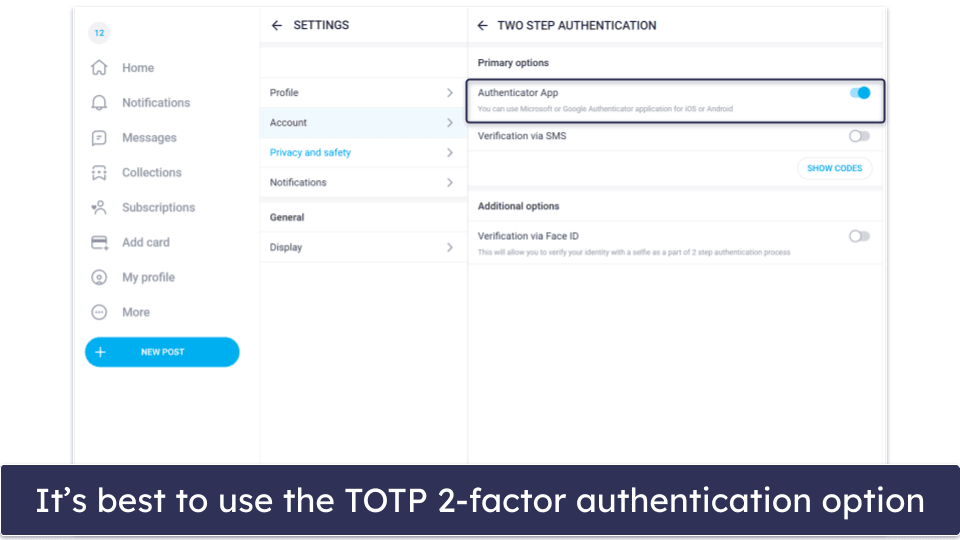
While you are in your account settings reviewing subscriptions, enable two-step authentication if you have not already. A subscription calendar is only useful if the account holding those subscriptions stays secure.
FAQ
How far back do ranking cards typically track price changes?
Most cards aim for a rolling six to twelve month window, with the more detailed ones storing every detected change rather than monthly snapshots. Coverage varies by platform, and a card showing a flat line may simply have started tracking recently.
Can a creator have multiple promotional prices in a single year?
Yes. Promotional first months are permitted as long as the standard base rate stays at or above $4.99, and there is no annual limit on how often a creator runs one. A history showing three separate discount months in a year is unusual but within the rules.
What does a sudden price drop followed by quick increase indicate?
It usually points to a short promotional push designed to bring in new subscribers, followed by a return to the normal rate. Treat the low figure as temporary and plan your budget around the higher rate, since that is what renewal will charge.
Why don’t ranking cards show PPV pricing for free pages?
Pay-per-view prices are set per message and are not part of the subscription field that cards track. A free page at $0 can still charge up to $50 per unlock, and paid chat commonly runs $3 to $5 per message.